
Financial Sustainability in European Football
UEFA’s Financial Sustainability Regulations aim to make European clubs more financially stable and profitable. Early results show rising revenues, better cost control, and improved aggregate net results, though top clubs still find ways around the rules. This article looks at what’s working, the limitations, and how FSR is shaping the business of football.
Kyriakos Lykourgos
1/2/20262 min read
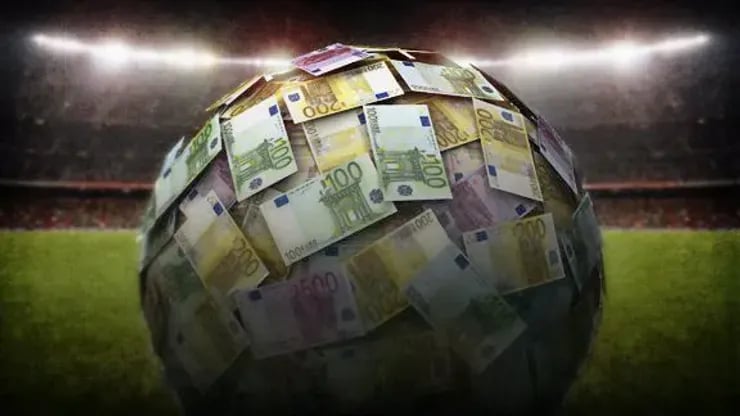

European football has operated for years with high costs, uneven revenues, and a strong reliance on future success to justify current spending. Wage growth consistently exceeded revenue growth, and many clubs depended on owner funding or debt to stay competitive.
UEFA’s Financial Sustainability Regulations (FSR), introduced in 2022, were designed to address these structural issues. The aim was not to limit ambition, but to reduce the financial risk that had become normal across the game.
Why UEFA Changed the Framework
The previous Financial Fair Play system focused mainly on break-even results. While it improved transparency, it did not prevent clubs from accumulating debt or running fragile business models. The pandemic exposed these weaknesses. Revenues dropped, costs remained high, and several clubs required emergency funding to remain operational.
By the early 2020s, UEFA recognized that looking only at short-term profits wasn’t enough. Clubs needed rules that ensured they could operate sustainably over years, not just balance the books each season. The Financial Sustainability Regulations were designed to enforce that long-term stability.
Early Signs of Improvement
Recent financial data suggests progress. Football Benchmark’s analysis of 24 leading European clubs — including Juventus, Paris Saint-Germain, Inter Milan, Real Madrid, and Barcelona — shows a notable swing in aggregate net results:
2022/23: Collective losses of €296 million
2024/25: Overall profitability of €100 million
This almost €400 million turnaround reflects stronger operating revenues, which rose from €298 million to €362 million on average, largely driven by sponsorship deals, global brand growth, and matchday income. Some clubs saw remarkable jumps: Bologna FC’s operating revenues grew 141% after qualifying for European competition, while Real Madrid benefited from the new Bernabéu Stadium format and Champions League redesign. Total income, including player trading, also increased by 23% over the same period.
Cost control is becoming more visible. Wage-to-revenue ratios are stabilizing, and clubs are more cautious with long-term contracts and front-loaded deals, reflecting the influence of squad cost limits.
Positive Effects of the FSR
Encourages clubs to diversify revenue beyond transfers.
Promotes long-term stability and cautious spending.
Enhances credibility for investors considering minority stakes or partnerships.
Provides a framework to align club growth with sustainable business practices.
Limitations and Risks
However, experts caution that FSR is not a catch-all solution. One analyst described the regulations as “a net that only catches the small insects,” noting that while mid-tier clubs are disciplined, top-tier teams often find ways to structure deals, defer payments, or exploit global commercial opportunities without breaking the rules.
The rules also don’t fully prevent clubs from falling into crises caused by mismanagement. Barcelona, for example, faced near-bankruptcy and had to renegotiate massive debts despite FFP and early FSR-era guidance. Similarly, large-scale investments or player acquisitions still carry inherent risk if projected revenues don’t materialize.
Looking Ahead
While UEFA’s FSR has contributed to greater financial transparency and discipline, the system is still evolving. Its success depends not just on rules but on the willingness of clubs to adopt measured financial practices. The growth of global sponsorship, media rights, and commercial partnerships has strengthened revenue bases, but the most influential clubs retain significant leeway to operate creatively around constraints.
The regulations have had a stabilizing influence, particularly for clubs outside the elite tier, and improved profitability shows tangible results. At the same time, the framework highlights an ongoing challenge in European football: balancing competitive ambition, global commercial opportunities, and sustainable club management.