
How YouTube and Digital Platforms Are Changing Football Broadcasting
This article explores how football leagues are teaming up with YouTube creators and digital platforms to reach fans who no longer watch on traditional TV. Through examples from Germany, Brazil, France, and Greece, it shows how free streams and creator-led broadcasts are reshaping fan reach, sponsorship value, and the future of football viewing.
Kyriakos Lykourgos
11/23/20252 min read
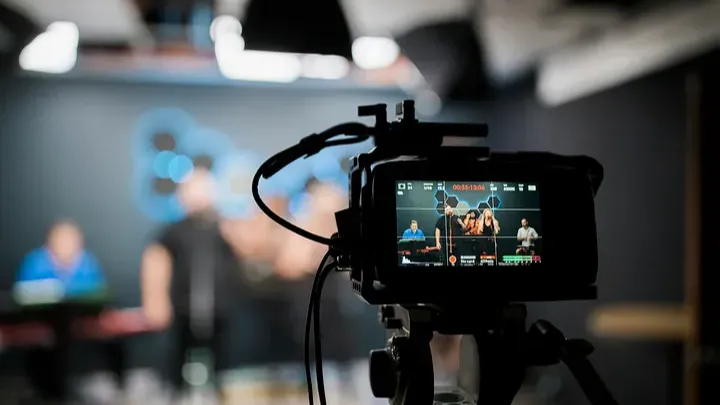

The way fans watch football is changing. Top leagues are increasingly partnering with digital platforms and content creators to reach audiences who might never tune in on traditional TV. Free streaming, personality-driven commentary, and interactive experiences are giving fans new ways to engage with the game.
Examples from Around the World
Bundesliga on YouTube (UK)
The Bundesliga has partnered with prominent YouTube channels to stream matches in the UK. Mark Goldbridge's That's Football channel, with over 1.3 million subscribers, and The Overlap with Gary Neville, boasting 1.5 million subscribers, are set to stream 20 matches each during the 2025–26 season. Early viewership numbers have been impressive, with Goldbridge's channel attracting over 250,000 viewers per match, and a peak of 1 million for a single game. These figures highlight the potential of creator-led broadcasts to engage a younger, tech-savvy audience.
Brazil’s CazéTV and the 2026 World Cup
Brazilian YouTuber Casimiro Miguel (CazéTV) has secured the rights to stream all 104 matches of the 2026 FIFA World Cup. This move aims to provide free access to fans, particularly younger audiences who primarily consume content online. CazéTV's previous broadcasts have set high benchmarks, with the 2024 Summer Olympics attracting 42 million total viewers and a peak of 4 million simultaneous viewers during the artistic gymnastics team finals. These high numbers underscore the platform's growing influence and its ability to reach a broad audience.
Ligue 1+ in France
Ligue 1 launched its own streaming platform, Ligue 1+, offering eight live games per week. By mid-September 2025, the platform had surpassed 1 million subscribers, with 72% opting for the annual subscription package. Early revenue projections have been promising, with estimates suggesting a turnover of €158 million. However, the distribution of these revenues among clubs remains a topic of discussion, as reported by L'Équipe.
Athletiko in Greece
Even lower divisions are experimenting with digital-first approaches. In Greece, the YouTube channel Athletiko broadcasts EFL and Super League 2 games, giving fans access to matches they would otherwise struggle to watch. This highlights how YouTube is empowering smaller leagues and channels to reach local audiences directly, creating new opportunities for engagement, sponsorships, and fan community building.
Why Leagues Are Doing This
Exposure to Different Audiences: Free or creator-hosted streams reach viewers who might not subscribe to cable or sports networks.
Engagement Over Ownership: Leagues know younger fans spend time on YouTube, Twitch, and TikTok. Working with creators allows them to meet fans where they already are.
Global Reach: Content can travel across borders, increasing international visibility and commercial opportunities.
While these approaches don’t replace traditional TV deals, they give leagues additional touchpoints with fans. Creators bring personality, interactivity, and a sense of community, offering valuable insights into fan behavior and preferences. Sponsorships also benefit, as the added engagement and broader reach make campaigns more measurable and impactful.
Conclusion
The integration of digital platforms and content creators into football broadcasting isn’t about shaking up the old model—it’s about meeting fans where they are. Free and interactive streams complement traditional broadcasts, create new revenue streams, and provide leagues with data and insights on fan habits. From Bundesliga to Greece’s second division, collaborations with creators and platforms like YouTube are becoming an essential part of modern football strategy.