
The Business Behind the 2025 Club World Cup
The expanded Club World Cup in the U.S. showed football’s competitive ambition, but also how financial power—particularly from the Gulf—is reshaping the sport’s priorities. The tournament offered global reach, big names, and new markets, but raised a clear question: who is steering the future—clubs and fans, or the investors funding the stage?
Kyriakos Lykourgos
7/10/20252 min read
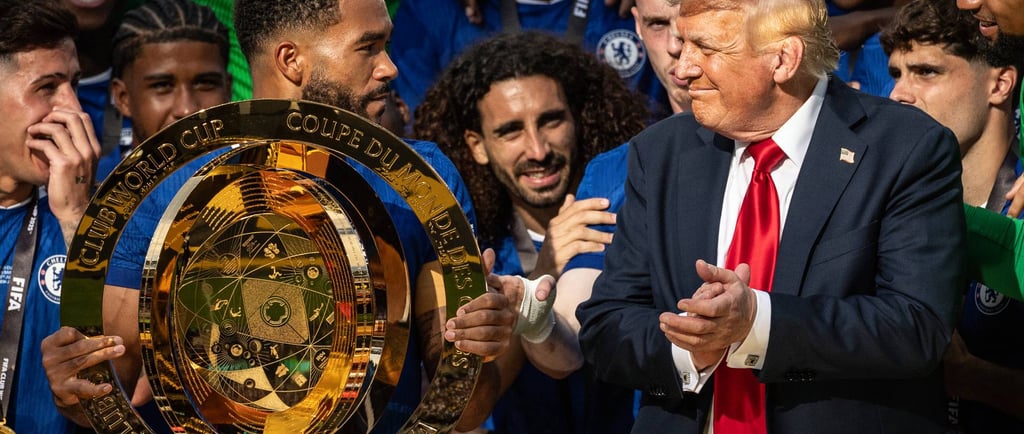
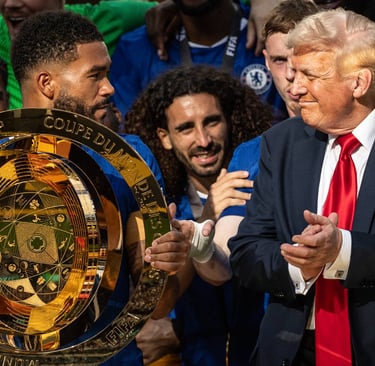
The 2025 FIFA Club World Cup is coming to an end in the United States, with the final taking place this Saturday. 32 teams from around the world competed in the biggest version of the tournament. FIFA is aiming to turn it into a global event and to be compared to the UEFA Champions League. However, even if the ambition is massive and the players participating in the games are the sport’s biggest stars, the feelings so far are mixed. The tournament is under scrutiny, and people are questioning the political motives, image control, and players’ well-being.
The $1 Billion Triangle: FIFA, DAZN, and Saudi Arabia
The media has been vocal about an unusual triangle that took place in the heart of the tournament. Here’s how it works:
Saudi Arabia’s Public Investment Fund (PIF) invests $1 billion in DAZN (media platform broadcasting the event).
DAZN paid over $1 billion to FIFA for global broadcast rights.
FIFA benefits from a massive rights deal without relying on traditional broadcasters’ interest. Saudi Arabia expands its influence in global football. FIFA is continuously tapping into new money and they continue their relationship with the PIF that has unlimited amounts of resources. And DAZN gets the global reach it needs. Together, they’ve created a football event where financial and strategic alliances matter most.
Why Is FIFA Doing This?
FIFA claims that the tournament is about giving clubs outside Europe more exposure and growing the global game. They had similar competitions in the past. But behind the scenes, it’s also about power. FIFA wants to break UEFA’s hold on club football and tap into Middle Eastern and Asian markets. The expanded format allows for new media rights, sponsorship deals, and ultimately more control.
A Stage for Political Image
The tournament hasn’t stayed out of politics either.
When Juventus arrived in the U.S., former President Donald Trump hosted the team, using the photo opportunity to speak on American superiority and gender issues — showing how football’s image is now part of broader political messaging.
Meanwhile, stadiums have been noticeably underfilled. Despite the big names and high stakes, many matches are being played in front of small crowds. This suggests the tournament may be prioritizing the ambitions of major stakeholders over the interests of everyday fans.
At the moment, the Club World Cup feels like an image exercise, for Saudi Arabia, the U.S., and FIFA itself.
What Does It Mean for Football?
The 2025 tournament does not transform the sport, but it confirmed where power is shifting. A growing share of football’s biggest events and club assets now sit in or are financed by the Gulf—Super Cups, FIFA tournaments, and multi-club investments are part of the business model.
The football on the pitch hasn’t changed, but the framework around it has: who funds competitions, who controls media, and which markets matter most. The Club World Cup will only endure if it earns sporting value, not just financial backing.
Final Thoughts
FIFA presents the 2025 Club World Cup as a way to expand football’s reach. Yet with Saudi-backed media deals and high-profile political appearances, the tournament also serves as a stage for global image-building. Football can be used for personal or geopolitical agendas, and sometimes the rules—and even the game—shift depending on who’s steering the ship.